How Much Privacy Do You Actually Have in an Independent Living Community?
Privacy in an independent living community is the concern people bring up last and worry about first. It rarely makes it onto the tour question list, but it sits underneath many of the other questions. Will someone be checking on me? Can I close my door and be left alone? Will my business become everyone’s business?
These are fair questions, and they deserve straight answers rather than reassurance. The reality is that independent living offers more privacy than most people expect, and it operates on several different levels at once. Understanding those levels is the clearest way to know what your daily life would actually look like.
The Honest Answer About Privacy in Independent Living
You have your own apartment. You have your own key. You come and go without explanation, keep whatever hours you like, and decide who crosses your threshold.
Independent living is residential, not clinical. Nobody is monitoring your movements, tracking your meals, or reporting on how you spend your afternoons. The structure of all-inclusive independent living is built around services that make your life easier, not oversight that makes it smaller.
What does change is proximity. You have neighbors down the hall instead of across a lawn, and you will run into people more often than you do now. That is a real difference, and it is worth thinking through honestly. But proximity is not the same thing as exposure, and the two get confused constantly.
Your Apartment Is the Most Private Space in Independent Living
Start with the space itself, because this is where most of the worry lives.
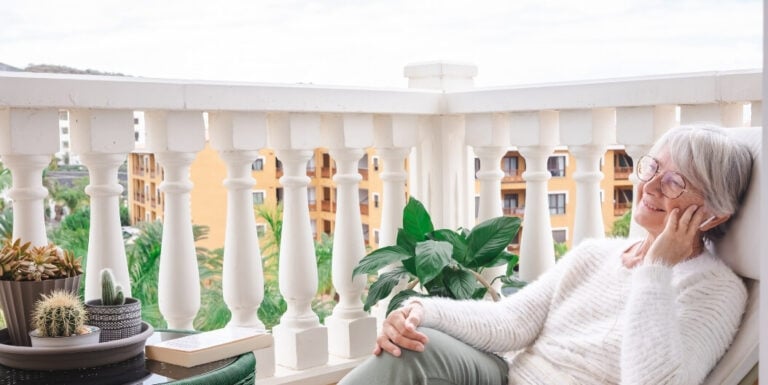
Your apartment is yours. The door locks. You decide when it opens. You can spend an entire Sunday inside without anyone knocking, and no one will find that unusual or concerning. Plenty of residents do exactly that.
You furnish it, decorate it, and arrange it to your taste. You can host family, keep the television on until midnight, or sit in silence with a book. Looking through the apartment floor plans is useful here, because layout affects how private a home feels. A separate bedroom, a defined living area, or an outdoor space each change the experience of having somewhere to retreat to.
For many people, the apartment ends up feeling more private than their previous house did, oddly enough. There is no yard where neighbors stop you, no doorbell for deliveries and salespeople, and no one dropping by unannounced because they saw your car in the driveway.
Privacy Over Your Own Schedule in an Independent Living Community
This is the level people most often overlook, and it matters enormously.
Nothing on the calendar is mandatory. Activities and events run throughout the week, but attending is entirely optional. You can go to three things in a day or none at all, and there is no roll call either way. If you would rather skip the group outing and take a walk on your own, that is a complete answer that requires no elaboration.
The same is true of dining. Meals are served in the dining room, and most residents enjoy that social rhythm. But choosing to eat later, eat quietly, or sit somewhere out of the flow is normal. Nobody tracks attendance at breakfast.
The THRIVE lifestyle program shapes what is available, and its whole premise is autonomy: opportunities offered, not obligations assigned. That distinction is the practical heart of schedule privacy. What you do with your day remains your decision, the same as it is now.
Privacy in Practice: Housekeeping, Maintenance, and Your Apartment
Here is where genuine questions come up, because these services do involve someone entering your home.
Housekeeping and light linen care happen on a schedule, which means you know in advance when to expect them. Maintenance and repairs work the same way. In both cases, these are planned visits by team members doing a specific job, not drop-ins.
If having someone in your space matters to you, say so early and be specific. Preferences about timing, about which rooms are cleaned, about being home or out during the visit, are all reasonable to state. Communities handle these requests routinely, and residents who speak up in the first month generally get a rhythm that suits them.
It also helps to remember what these services replace. Right now, home upkeep may mean contractors, repair visits, and delivery people arriving on their timeline rather than yours. A scheduled housekeeping visit is considerably more predictable than that.
How Much Privacy You Have Around Personal Information
Information privacy is a separate layer from physical privacy, and it deserves its own answer.
You control what you share. Your health, your finances, your family situation, your history: none of that is community knowledge unless you make it so. Team members handle resident information with the discretion you would expect, and neighbors know only what you tell them.
Where residents sometimes trip up is in casual conversation. Community life is social, and it is easy to share more than you intended over lunch. That is not a flaw in the setting; it is simply how friendly environments work. If there are topics you would rather keep to yourself, decide that in advance and keep your answers light. A pleasant, brief response closes a subject without any awkwardness.
Visits from family and friends follow their own guidelines, and reviewing the visitation policy ahead of time gives you a clear picture of how guests are handled.
Social Privacy and Choosing How Close You Get to Neighbors
Perhaps the most useful reframe is this: privacy in a community setting is less about walls and more about boundaries you set for yourself.
You will meet people. Some will become friends. Others will remain pleasant acquaintances you greet in the hallway, which is a perfectly good outcome. You are not obligated to become close with anyone, and residents who prefer a smaller circle find that entirely workable.
Learning how to maintain personal space boundaries in common areas makes a real difference here. Sitting at a two-person table rather than a long one, choosing a quieter lounge, or bringing a book as a gentle signal all communicate what you want without any conversation required.
If solitude is something you actively need rather than occasionally prefer, plan for it. Building in quiet, calming moments keeps social energy from becoming social fatigue, and it is far easier to protect that time from the start than to reclaim it later.
Common Concerns About Privacy in an Independent Living Community
Will anyone check on me? Not in the sense of monitoring. Independent living assumes you manage your own day.
Can I have overnight guests? Guest arrangements are covered by community guidelines, so ask directly during your visit and you will get a clear answer.
What if I keep to myself and people think something is wrong? Community life includes plenty of private people, and it is not treated as unusual. Neighbors take their cue from you.
Can I keep working or running a project from home? Many residents do. Setting up a home office in your apartment is a common and practical use of the space.
How to Protect Your Privacy in Independent Living From the Start
A few habits established early will serve you for years.
Be direct about your preferences in your first weeks, when everyone expects new residents to be sorting things out. Set a rhythm that includes real alone time rather than filling every open hour. Decide in advance which subjects you keep private, so you are not making that judgment mid-conversation. And use your apartment as the retreat it is meant to be, without feeling that closing the door requires a reason.
Thinking through how you want to maintain your privacy before you move gives you a plan instead of a set of reactions. Most residents report that the balance they wanted was easier to reach than they feared.
What Privacy in an Independent Living Community Really Comes Down To
You have a private home with a locking door, complete control over your schedule, discretion over your personal information, and the freedom to be as social or as solitary as suits you. Services enter your space on a predictable schedule, and your preferences shape how that works.
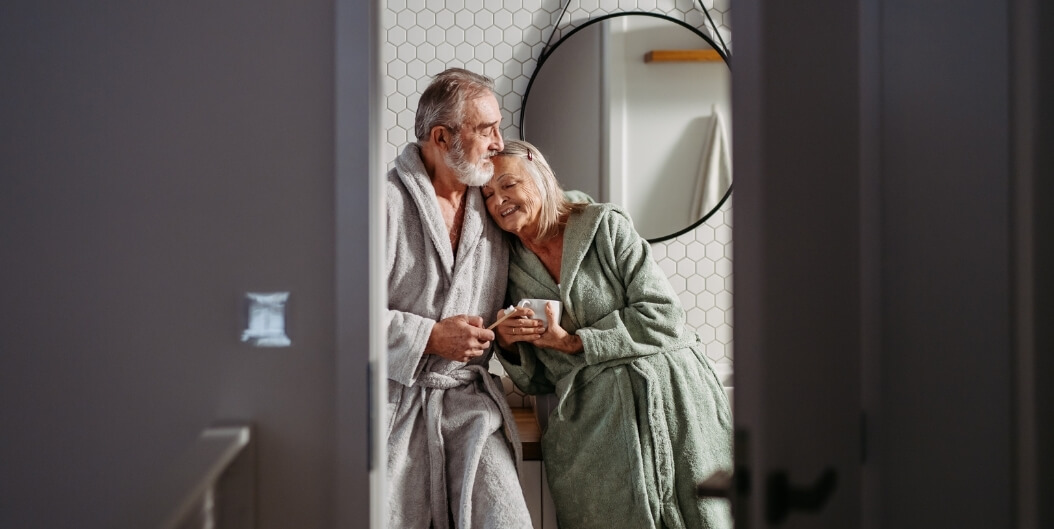
The trade is not privacy for the community. It is isolation for connection, with your privacy left intact. You gain neighbors nearby when you want them and a door that closes when you do not.
Find Your Own Balance at Asher Point Independent Living of Lincoln
At Asher Point Independent Living of Lincoln, we understand that having a private home you can truly retreat into is just as important as having neighbors to share a meal with. Our freshly remodeled apartments and inviting common spaces are designed to give you both, on your own terms and at your own pace.
Come see how the balance feels in person. Get in touch with our team to arrange a visit, ask us anything about daily routines, guests, or your apartment, and stay for lunch while you are here. We would be delighted to welcome you.